Why preventive maintenance protects your ROI

Maintenance is not just a cost. It is a profit-protection system that keeps units rentable, reduces emergencies, and helps good tenants stay longer.
Reactive repairs feel urgent, so they often cost more. Preventive work feels optional, so it gets delayed. However, delayed maintenance is one of the fastest ways to lose ROI through water damage, vacancy, and repeated callouts.
Start with a simple principle: fix small problems before they become big ones. Therefore, you spend less, you respond faster, and you avoid major disruptions.
If you manage multiple units, standardize your routine. A consistent checklist turns maintenance into a repeatable process instead of a constant surprise.
Tip 1: Make safety checks non-negotiable
Safety items should never depend on memory. Create a schedule, document completion, and verify during inspections.
Additionally, safety checks reduce liability and improve tenant trust. Tenants who feel safe and supported often renew, which protects your vacancy rate.
Focus on the basics first. Once they are consistent, you can layer in nicer improvements.
- Test smoke and CO detectors on a set schedule and replace batteries proactively
- Confirm exits are clear and stair lighting works in common areas
- Check GFCI outlets in kitchens, bathrooms, and laundry areas
- Inspect handrails, balcony guards, and loose steps for stability
- Verify fire extinguishers (where applicable) are accessible and in date
Tip 2: Stop leaks early to avoid the most expensive damage

Water damage is one of the highest-cost maintenance failures because it spreads quickly. It can damage floors, drywall, cabinetry, and electrical systems.
Therefore, prioritize leak detection and fast response. A $20 part today can prevent a $2,000 repair later.
Train your team and tenants to treat “small leaks” as urgent. Additionally, make reporting easy so problems surface early.
- Check under sinks, around toilets, and behind appliances during inspections
- Replace worn caulking and grout where water commonly enters (tubs, showers, backsplashes)
- Inspect ceilings for stains that signal slow leaks from above
- Look for recurring clogs and address the cause, not only the symptom
- Confirm sump pumps and drains (if applicable) are clear and functional
Tip 3: Know your shutoffs and label them clearly
When water is running where it should not, speed matters. Knowing how to shut off water fast can be the difference between a quick fix and a major restoration job.
Create a simple shutoff map. Then label valves and confirm access. Therefore, anyone on your team can act quickly during an emergency.
If tenants know how to shut off a local valve safely, you can reduce damage even before help arrives. However, keep guidance clear and simple to avoid mistakes.
- Label the main water shutoff and unit-level shutoffs where available
- Keep keys or access instructions documented for mechanical rooms
- Test shutoff valves periodically so they do not seize
- Post emergency instructions with a clear contact number
- Document where the electrical panel and gas shutoff are located (if applicable)
Ready to improve your ROI?
We’ll help you build a checklist, calendar, and vendor plan that fits your property.
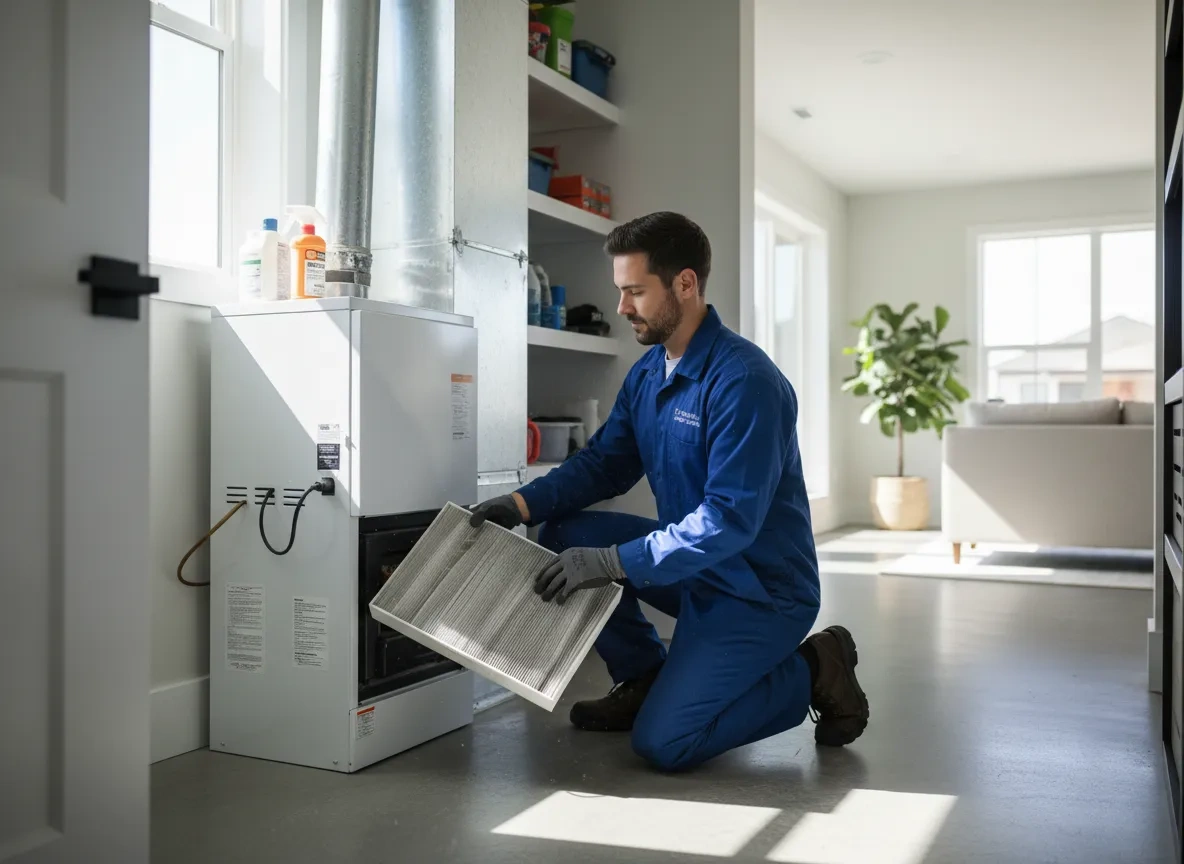
Tip 4: Treat HVAC as a system, not a one-time fix
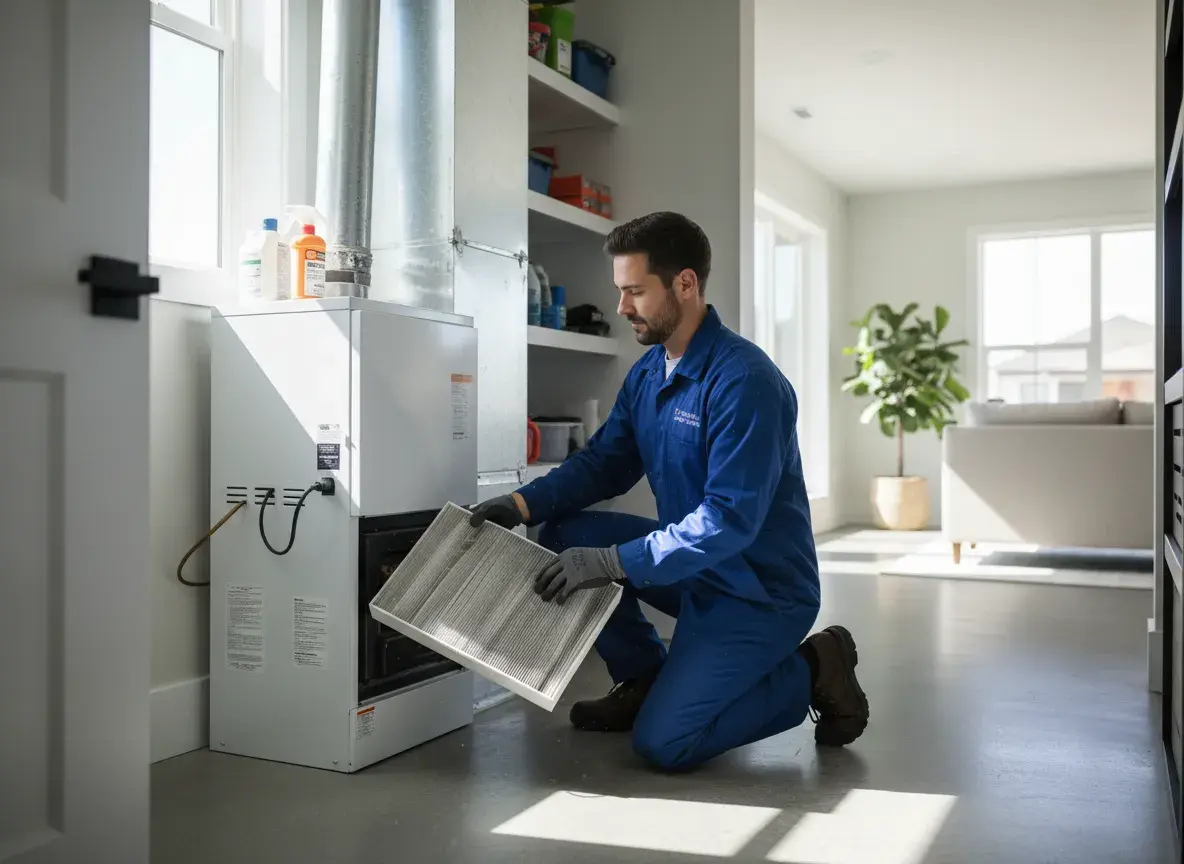
Heating and cooling issues create urgent calls and unhappy tenants. They also increase energy costs when systems run inefficiently.
Therefore, schedule HVAC maintenance like clockwork. Filters, vents, and drain lines are simple items that prevent big failures.
Additionally, consistent HVAC care improves comfort. Comfort supports renewals, which supports ROI.
- Change or clean filters on schedule (more often during heavy use seasons)
- Inspect vents and returns for blockages and dust buildup
- Check condensate lines and drip pans for clogs and overflow risk
- Listen for unusual noises and address them early
- Confirm thermostats are accurate and programmed appropriately
Tip 5: Build a seasonal routine (and actually follow it)

Seasonal maintenance prevents predictable failures. Roof drains clog, caulking cracks, and exterior conditions change with temperature and moisture.
Create a simple calendar that repeats each year. Therefore, you do not have to reinvent the plan every season.
If you manage in winter climates, winterization matters. However, even small steps like checking door seals can reduce heat loss and tenant complaints.
- Spring: inspect roof drains, gutters, exterior caulking, and landscaping drainage
- Summer: check common-area lighting, exterior paint, and pest prevention
- Fall: confirm heating readiness, weatherstripping, and draft sealing
- Winter: monitor ice buildup risks, entrances, and emergency access
- Year-round: test safety items and document inspections consistently
Tip 6: Keep common areas clean, bright, and safe
Common areas are part of the product you rent. When they look neglected, tenants assume the unit and management will be the same.
Additionally, clean and well-lit spaces reduce accidents and complaints. They also improve leasing, because prospects decide quickly based on first impressions.
Create standards for cleaning frequency, lighting checks, and small repairs. Therefore, the building stays consistent even when you are busy.
- Walk halls and entrances on a fixed schedule (weekly is a good start)
- Replace burned-out bulbs quickly and standardize bulb types for speed
- Inspect stair treads, mats, and slippery surfaces
- Check doors, locks, and intercoms for reliability
- Address odors early (trash areas, ventilation, moisture sources)
Tip 7: Use a unit standard to simplify every repair
Standardization is one of the best “hidden” maintenance strategies. When every unit uses different paint, fixtures, or parts, every repair becomes slower and more expensive.
Choose a unit standard for paint color, flooring type, basic fixtures, and hardware. Then document it. Therefore, turnovers and repairs are faster and more predictable.
This also improves marketing. Consistent finishes make your listings clearer and your photos more reliable.
- Pick one paint system and keep touch-up paint available
- Standardize common fixtures (faucets, handles, light switches)
- Use durable, repair-friendly finishes instead of fragile “luxury” options
- Keep a small inventory of high-failure items (supply lines, traps, bulbs)
- Create a preferred vendor list with clear scopes of work
Tip 8: Make turnovers faster with a repeatable checklist

Turnover is where maintenance, vacancy, and tenant experience collide. A slow turnover reduces income and increases stress. A sloppy turnover creates complaints and early move-outs.
Therefore, build a repeatable make-ready process. Assign owners, set deadlines, and verify quality before listing.
Additionally, schedule work before move-out day when you can. Pre-booking paint and cleaning often saves days.
- Pre-inspect before move-out to identify needed repairs and parts
- Deep clean, then do paint and repairs, then do a final detail clean
- Test appliances, outlets, faucets, and drains before listing
- Replace worn caulking and small hardware during turnovers
- Photograph the finished unit so marketing can start immediately
Tip 9: Document work to reduce disputes and repeat issues
Good documentation makes maintenance cheaper over time. It helps you track recurring issues, hold vendors accountable, and support fair tenant communication.
Therefore, keep before-and-after photos, invoices, and notes. Even short notes help when you revisit a problem months later.
Documentation also protects you during disputes. Clear records show what was reported, when you responded, and what was fixed.
- Use dated photos for inspections and major repairs
- Track warranties and installation dates for appliances and systems
- Log recurring work orders and look for root causes
- Record tenant communications and resolution timelines
- Store vendor scopes of work so bids stay comparable
Tip 10: Build a simple maintenance calendar you can sustain
A perfect maintenance plan that you do not follow is useless. Instead, build a simple schedule you can execute consistently and improve over time.
Start with quarterly inspections and monthly “quick checks.” Therefore, you catch issues early without spending all your time inspecting.
If you track results, you can optimize. For example, if you see repeat plumbing calls in one stack, you can target a planned fix instead of paying for repeated emergencies.
- Weekly: common-area walk, lighting check, trash/odor check
- Monthly: filter checks, leak spot-checks, vendor follow-up review
- Quarterly: unit inspections (rotating schedule), safety checks, shutoff verification
- Seasonally: exterior drainage, weather sealing, HVAC readiness, pest prevention
- Annually: contract review, insurance review, capital plan update, full system check
Ready to improve your ROI?
We can set up a maintenance calendar, vendor plan, and reporting workflow for your rentals.