
Bottom line: ROI comes from a few controllable levers
Maximizing your rental property ROI is not about one big renovation. Instead, it is about improving a few controllable levers: income, vacancy, operating costs, and long-term upkeep.
Think in systems, not in guesses. When you price correctly, keep quality tenants longer, and run the building with fewer surprises, your cash flow improves and your workload usually drops.
Start with a clean baseline for each unit: current rent, market rent, average days vacant, average turnover cost, and monthly operating expenses. Therefore, when you change something, you can see if it actually worked.
Then prioritize moves that improve both profit and stability. For example, a faster make-ready process can raise income while reducing tenant complaints about delays or unfinished work.
Finally, review results monthly and reset quarterly. Small improvements compound, especially when you apply them across multiple units.
Also separate operating costs from capital expenses. Operating costs keep the building running today, while capital work protects the asset for tomorrow. If you mix them, performance can look better or worse than it really is.
Most importantly, protect your time. A property that produces good cash flow but creates constant emergencies is not a great return. Therefore, aim for systems that keep both finances and day-to-day operations healthy.
What is rental property ROI (and what to track)
ROI is the return you earn on the cash you invest. However, rental performance is multi-layered, so a single number can hide problems until they become expensive.
A practical approach is to track a small set of monthly metrics plus a simple annual review. Therefore, you can spot trends early and make changes while they are still easy.
Two common ways to look at returns are cash-on-cash return and net operating income (NOI). Cash-on-cash focuses on your invested cash, while NOI shows what the property produces before mortgage payments.
For example, if a unit generates $2,000 per month in rent and costs $900 per month to operate, it produces about $1,100 per month before debt service. Additionally, if you can reduce vacancy by one week per year, you often gain more than a small rent increase would deliver.
Cap rate is another helpful concept. It compares NOI to property value and is useful for comparing buildings. However, owners feel cash-on-cash more directly because it reflects how much cash you invested.
No matter which metric you prefer, choose one “primary” measure and track it consistently. Therefore, your decisions stay aligned and you avoid chasing random improvements that do not move the needle.
- Effective rent: rent collected after discounts, vacancies, and non-payment
- Vacancy rate and days-to-lease: how fast units fill at market rent
- Turnover cost per move-out: paint, cleaning, repairs, and lost rent
- Maintenance ratio: routine + reactive maintenance as a % of income
- Net operating income (NOI): income minus operating expenses (before mortgage)
- Tenant lifetime value: average months stayed × monthly profit per unit
- Rent readiness time: days from move-out to listing-ready condition
- Work order volume: number of requests per unit per month
- Capital reserve: planned savings for roofs, HVAC, windows, and major items
- Bad-debt rate: how often rent is late or unpaid, and how long it takes to recover
- Renewal rate: % of tenants who renew vs move out
- Average response time: how quickly maintenance requests are acknowledged and resolved
Raise income without raising risk

The fastest way to lift ROI is to charge market rent for the right tenant. That starts with accurate comps, clear unit positioning, and a screening process that filters out avoidable problems.
First, build honest comparables. Compare unit size, floor level, parking, included utilities, appliances, and renovation level. Then choose a price that matches the unit you actually have, not the unit you wish you had.
Next, make the value easy to see. Strong photos, a clean feature list, and clear move-in timing reduce friction and attract better applicants. Additionally, good presentation supports the price you want.
Screen consistently and fairly. Verify income and references, check behavior signals, and set clear expectations. Therefore, you reduce late payments, damage, and high turnover.
Treat the lease like a management tool. A clear lease sets maintenance reporting rules, guest policies, smoking rules, and timelines. It reduces confusion and makes enforcement consistent.
Finally, improve renewal strategy. A small, planned increase paired with a smooth maintenance experience often keeps good tenants longer, which protects income without constant turnover costs.
Look for “add-on” income that stays fair and transparent. For example, parking, storage, and small pet fees can increase revenue without pushing base rent beyond the market.
If you adjust rent, communicate the why. Tenants respond better when increases are predictable and supported by real value, such as reliable maintenance, clean common areas, or an upgraded unit standard.
- Price to market, then market to the right renter (not “everyone”)
- Use strong listing photos and a clear feature list to justify the price
- Respond quickly to inquiries and offer predictable showing windows
- Screen consistently: income, references, and clear expectations
- Set rent due dates, payment methods, and maintenance reporting expectations
- Offer small upgrades that support a premium (lighting, hardware, durable floors)
- Reduce move-in friction: clear application steps and realistic timelines
- Use renewals strategically: keep good tenants longer to reduce vacancy
- Track reasons for non-renewal so you can fix patterns over time
- Offer optional add-ons like parking or storage when appropriate
- Keep policies consistent so enforcement feels fair and professional
Ready to improve your ROI?
We’ll benchmark rent, vacancy, and costs and recommend quick wins.
Cut operating costs without cutting quality
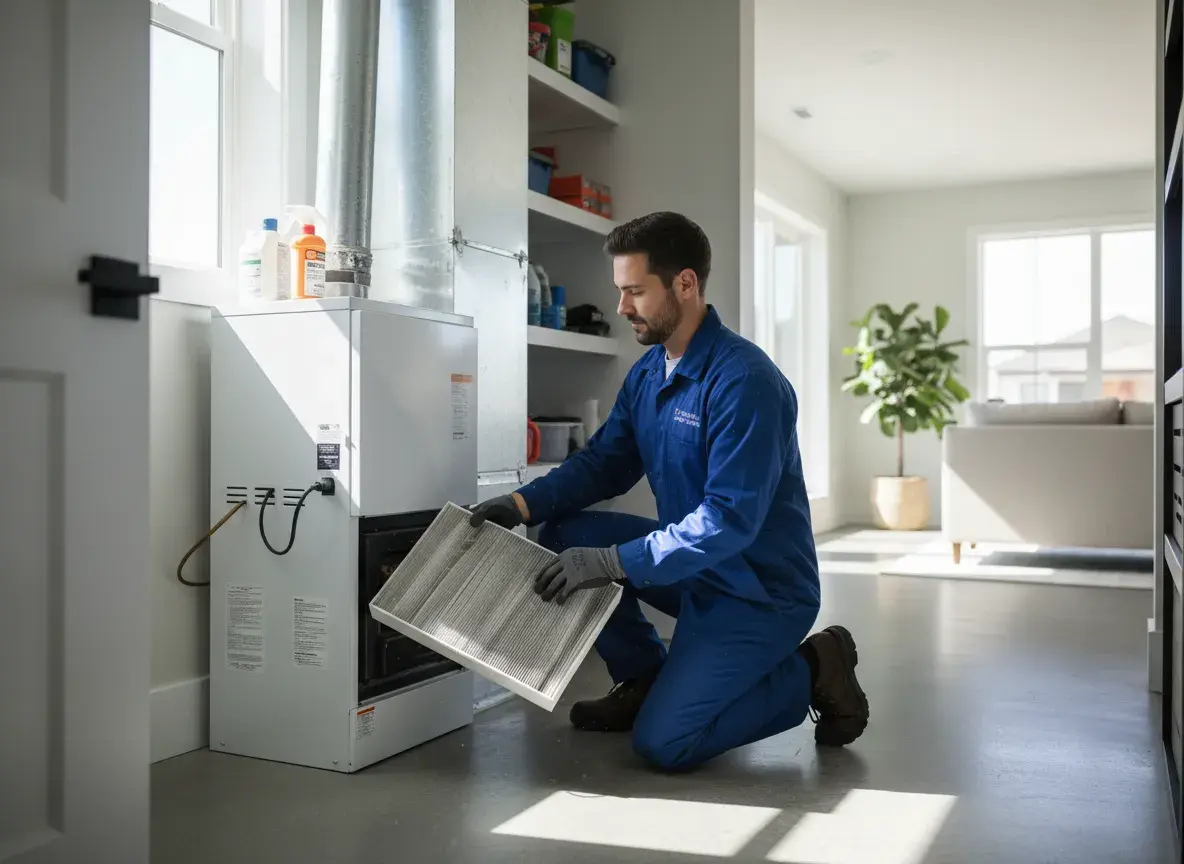
Expenses creep up quietly, so you need a system. First, split costs into categories: utilities, contracts, routine maintenance, and reactive repairs. Then decide what to reduce, what to renegotiate, and what to prevent.
Start with a simple monthly expense review. Look for spikes, repeat repairs, and “miscellaneous” charges that hide real issues. Therefore, you can fix the cause instead of paying for the symptom.
Preventive maintenance is often the highest ROI cost-control tactic. It lowers emergency calls, protects building systems, and reduces tenant frustration. However, it only works when it is scheduled, documented, and repeated.
Standardization helps more than most owners expect. When you use the same paint, fixtures, and parts across units, repairs become faster and cheaper. Additionally, your contractors do better work when they know the standard.
Vendor management matters. The cheapest quote is rarely the cheapest outcome if quality drops and call-backs rise. Instead, choose vendors who are reliable, communicate clearly, and stand behind the work.
Finally, target energy and water. A small leak or poor thermostat setup can quietly drain hundreds per year, especially in common areas.
When possible, buy time back with better process. Clear work orders, photos, and access instructions reduce re-visits. Therefore, you pay for results, not for confusion.
Also plan for “lumpy” costs. Annual items like snow removal or periodic inspections should be budgeted monthly so your cash flow stays predictable.
- Create a seasonal checklist (HVAC, roof drains, plumbing shutoffs, smoke/CO)
- Run a quarterly “repeat repair” report and fix root causes
- Standardize parts and finishes to simplify repairs and reduce stocking
- Renegotiate recurring contracts annually (snow, landscaping, cleaning)
- Use preventive schedules: filters, dryer vents, sump pumps, seals, caulking
- Audit utilities: leaks, thermostat programming, and common-area lighting
- Track vendor performance: response time, quality, and repeat issues
- Keep clean documentation: warranties, invoices, and before/after photos
- Use consistent scopes of work so bids are comparable
- Set service-level expectations for response times and communication
Reduce vacancy and turnover time

Vacancy is ROI poison because it hits income while many expenses continue. Therefore, aim to reduce both “days vacant” and “days to make-ready.”
Start marketing earlier than you think. If you wait until the unit is empty, you lose time. Instead, confirm move-out dates, schedule work, and draft the listing ahead of time so you can publish quickly.
Speed matters, but quality matters too. A rushed turnover that creates complaints can lead to early move-outs. Additionally, poor first impressions reduce the rent you can confidently ask for.
Use a turnover checklist that covers cleaning, paint, safety items, and small fixes. Then assign owners for each task and set deadlines. When everyone follows the same steps, outcomes improve and delays shrink.
Also treat communication as part of the product. Quick replies, clear showing instructions, and transparent move-in requirements reduce drop-offs. Therefore, you convert more qualified leads into signed leases.
Finally, reduce turnover by improving tenant experience. Consistent maintenance response times and respectful communication are often the best “upgrade” for retention.
If you manage several units, build a simple “leasing pipeline.” Track inquiries, showings, applications, approvals, and move-ins. Additionally, note where applicants drop off so you can fix friction.
Focus on the first week of tenancy. A smooth move-in, working basics, and fast follow-up reduce early dissatisfaction, which supports longer stays and fewer costly move-outs.
- Pre-schedule paint, cleaning, and key repairs before move-out day
- Use a unit standard so decisions do not slow down each turnover
- Write listings that answer questions up front (parking, pets, utilities)
- Reply quickly and offer predictable showing windows
- Collect complete applications up front to avoid delays
- Use a simple pre-qualification step to reduce wasted showings
- Confirm move-in date and deposits early so deals do not fall apart
- Track where leads come from, then invest more in the best channels
- Confirm unit readiness early so you do not promise what you cannot deliver
- Use consistent criteria so approvals are fast and fair
Smart upgrades that renters pay for
Not all renovations improve ROI. The best upgrades either reduce future maintenance or increase rent by more than they cost over time.
Start by scoring upgrades on three criteria: cost, expected rent impact, and maintenance impact. Therefore, you choose projects that pay you back in either higher rent or fewer repairs.
First impression improvements usually win. Clean paint, modern lighting, and consistent finishes make units easier to rent at market price. Additionally, they reduce objections during showings.
Choose durability. Floors, countertops, and fixtures that resist wear often reduce turnover cost for years. However, do not overspend on luxury materials that your local market will not pay for.
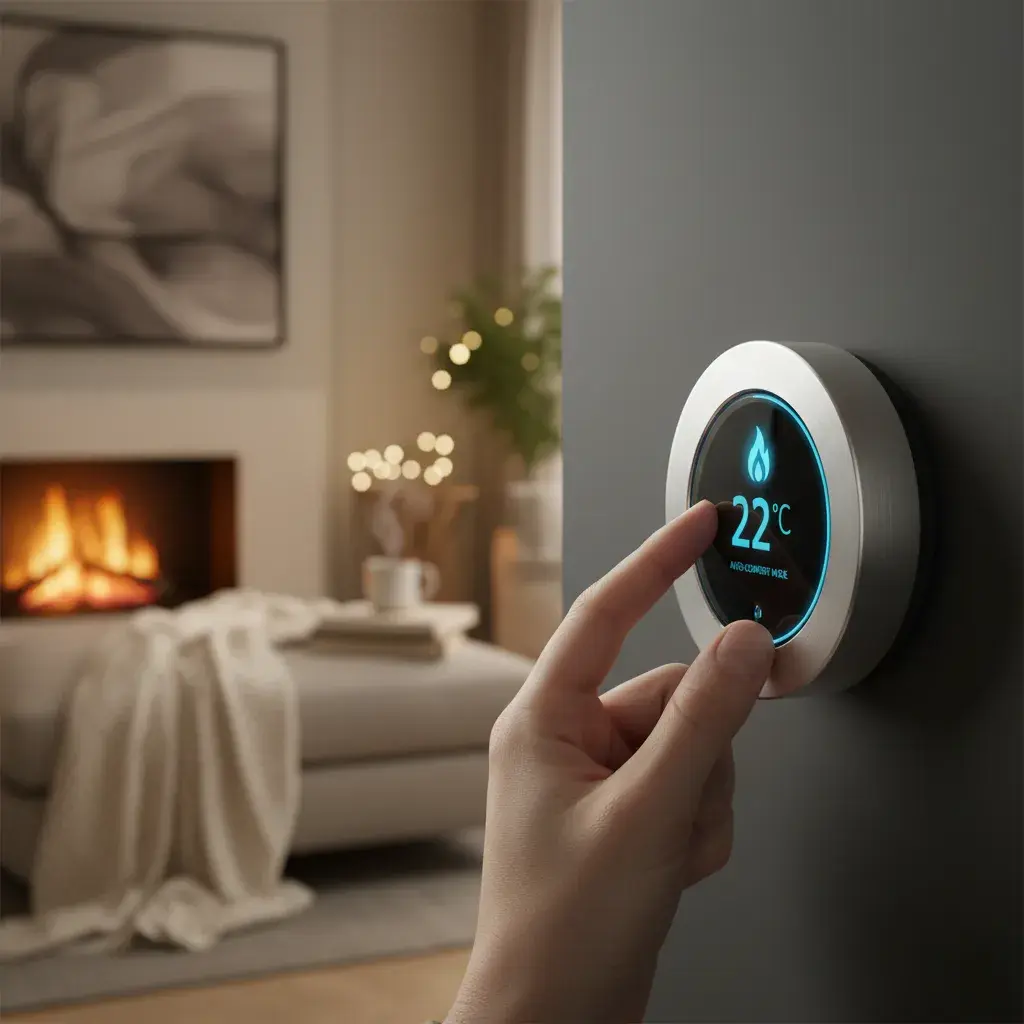
Smart-home upgrades can work when they are simple. A reliable thermostat or keyless entry can increase convenience and reduce minor issues. Additionally, it helps the unit feel current without a major renovation.
Finally, keep upgrades consistent across units. Consistency makes marketing simpler and sets clear expectations for tenants, which improves retention.
Before you renovate, set a target payback. If a $2,000 upgrade reliably adds $25 per month, it pays back in about 80 months, which may be too slow. Therefore, prioritize upgrades with faster payback or clear maintenance savings.
If you are unsure, test upgrades on one unit first. Then measure leasing speed, rent achieved, and maintenance impact before rolling it out across the building.
- Durable flooring: fewer repairs and faster turnover
- Modern lighting: higher perceived quality for low cost
- Fresh paint and deep clean: the cheapest “renovation”
- Smart thermostat: comfort and utility control
- Hardware refresh: knobs, pulls, and faucets modernize fast
- Better storage: closet systems or simple shelving add value
- Bathroom refresh: mirrors, lighting, and caulking signal cleanliness
- Noise and comfort fixes: weatherstripping, door sweeps, and seals
- Appliance reliability: fewer service calls can be a hidden ROI gain
- Consistent paint colors: faster turnovers and easier touch-ups
Protect long-term value and reduce legal friction
High ROI is not only monthly cash flow. It also includes preserved property condition, stable tenant relationships, and fewer disputes. When you protect value, you protect your ability to raise rent over time and avoid sudden capital shocks.
Start with a capital plan. List major building components, estimate remaining life, and set a reserve target. Therefore, a roof or HVAC replacement becomes planned rather than panicked.
Document everything: inspections, repairs, notices, and communications. Good records reduce disputes, improve vendor accountability, and make financial reviews easier. Additionally, records protect you when disagreements happen.
Make maintenance easy to report. Tenants usually do not ignore problems on purpose; they avoid friction. A clear reporting channel and quick acknowledgement reduce damage and increase trust.
Use consistent standards for inspections and move-in condition. Take dated photos, note existing wear, and confirm safety items. Therefore, expectations are clear for both sides.
If you operate in Montreal or elsewhere in Quebec, align your processes with local rules and timelines. However, even basic compliance habits—clear notices, consistent enforcement, and good records—reduce stress everywhere.
Finally, protect the relationship. Professional communication, predictable maintenance follow-up, and respectful boundaries reduce turnover and prevent conflict.
Insurance and risk management matter, too. Review coverage annually, document improvements, and address known hazards quickly. Therefore, you reduce the chance that one incident wipes out a year of profit.
If you plan to sell or refinance, clean records help. Organized financials, maintenance history, and consistent unit standards can support stronger valuations and smoother due diligence.
A simple 30/60/90-day plan to boost ROI

You do not need a perfect strategy to see results. Instead, pick a plan you can execute consistently and measure each month.
Start with the levers that are easiest to control: pricing accuracy, turnover speed, and preventive maintenance. Then add upgrades and longer-term projects once the basics are stable.
If you feel overwhelmed, focus on one improvement per month. Therefore, you build momentum instead of starting and stopping.
Below is a practical roadmap that balances income, vacancy, and cost control while keeping tenant experience strong.
When you finish the first 90 days, review the numbers and repeat the cycle. The goal is consistent progress, not perfection.
If you want help prioritizing, start with the biggest leak you can measure today. That might be vacancy, turnover cost, or maintenance volume. Therefore, your first improvements produce visible results quickly.
- Next 30 days: benchmark rent comps and define unit standards (paint, floors, fixtures)
- Next 30 days: set up monthly KPI tracking (effective rent, vacancy, turnover cost)
- Next 30 days: create a turnover checklist and pre-book cleaning and paint resources
- Next 60 days: renegotiate contracts and audit utilities for leaks and waste
- Next 60 days: schedule preventive maintenance and document warranties and vendors
- Next 60 days: refresh listing photos and standardize your ad template
- Next 90 days: refine screening, reduce application friction, and speed up showings
- Next 90 days: implement a capital reserve plan and a quarterly inspection routine
- Ongoing: review performance quarterly and adjust one lever at a time
- Ongoing: focus on retention with consistent maintenance response and clear communication
Ready to improve your ROI?
Get a tailored action plan for your building and budget.