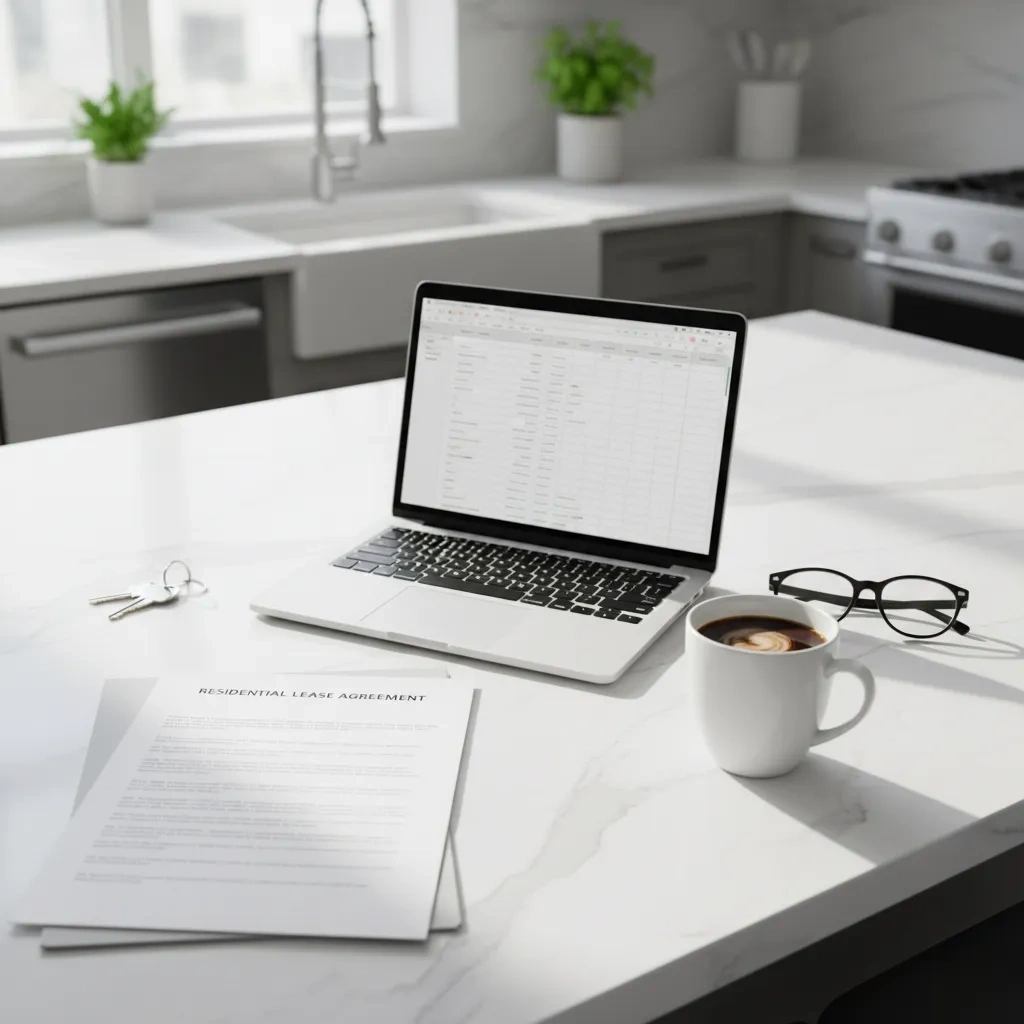
Why knowing the rules protects landlords and tenants

Rental law is not just paperwork. It shapes how rent is paid, how repairs are handled, and how disputes get resolved. When everyone understands the basics, day-to-day renting is smoother and conflicts drop.
In Montreal and across Quebec, rules and timelines matter. Therefore, strong documentation and consistent communication are just as important as a good lease.
This article is informational, not legal advice. However, it will help you understand the big topics that usually cause confusion so you can ask better questions and make better decisions.
If you are unsure about a specific situation, it is smart to speak with a qualified professional. Clarity early is usually cheaper than conflict later.
Key documents and records to keep

Good records protect both sides. They help landlords prove what was agreed, what was repaired, and when notices were sent. They also help tenants confirm what was promised and what condition a unit was in.
Therefore, create a simple “rental file” for each unit and each tenancy. Keep it consistent so you can find information quickly when questions come up.
Additionally, documentation improves your operations. When you track repairs and timelines, you can spot recurring issues and plan maintenance instead of reacting to emergencies.
- Lease and any written addendums or building rules
- Move-in and move-out condition photos with dates
- Repair requests and work orders (what was reported and when)
- Invoices, warranties, and contractor scopes of work
- Notices and communications (email, letters, messages)
- Rent payment records and receipts
- Inspection notes and follow-up actions
Rent, deposits, and payment expectations (high-level)

Payment clarity prevents most early disputes. Landlords want predictable rent. Tenants want predictable rules. Therefore, define payment expectations clearly from day one.
In Quebec, common questions include what deposits are allowed, how rent increases work, and what happens when rent is late. The details can vary by circumstance, so confirm the current rules when you are making decisions.
However, the operational best practice stays the same: put expectations in writing, keep receipts, and use consistent processes for reminders and follow-up.
Additionally, keep the process respectful. A professional tone and clear documentation reduce emotion and improve resolution.
- Confirm rent amount, due date, and preferred payment method in writing
- Provide receipts or confirmation for every payment
- Document late payment follow-up steps and timelines
- Avoid informal “exceptions” that create inconsistent expectations
- Keep communication clear, factual, and timely
Repairs, maintenance, and habitability

Many disputes are really maintenance disputes. Tenants want issues fixed quickly. Landlords want issues reported early and handled correctly. Therefore, a clear maintenance workflow helps everyone.
Start by defining how tenants should report issues, what counts as an emergency, and what response times are realistic. Additionally, confirm who is responsible for what in simple language.
Habitability expectations are central: a rental should be safe and livable. However, the best way to reduce conflict is not arguing after the fact—it is preventing problems through inspections and preventive maintenance.
Document requests and outcomes. When you can show what was reported, when you responded, and what was done, disagreements become easier to resolve.
- Give tenants one clear reporting channel and emergency instructions
- Acknowledge requests quickly, even if the repair takes time to schedule
- Prioritize water, heat, electrical, and safety-related issues
- Use photos and clear scopes of work for contractors
- Follow up after repairs to confirm the issue is resolved
Ready to improve your ROI?
We’ll help you set up documentation, maintenance workflows, and communication practices that reduce disputes.
Notices, communication, and common disputes
Most conflicts get worse because communication is unclear or delayed. Therefore, treat communication as part of management, not as an afterthought.
Keep notices consistent, factual, and written. Verbal agreements are easy to misunderstand. Additionally, written communication creates a shared reference point if questions arise later.
Common dispute themes include noise, repairs, cleanliness, access to the unit for work, and move-out condition. The specifics matter, but the same strategy works: document, communicate early, and follow a consistent process.
If a dispute escalates, stay calm and professional. Emotional messages rarely help. Clear records and consistent timelines are your strongest tools.
- Use a standard template for reminders and notices
- Keep messages short and focused on the issue and next step
- Confirm appointments for repairs in writing
- Document outcomes after conversations or inspections
- Escalate to professionals when a situation becomes complex
Moving in, moving out, and condition documentation

Move-in and move-out are the highest-risk moments for disagreements. Therefore, condition documentation should be routine, not optional.
At move-in, document the unit’s condition with photos and a checklist. At move-out, repeat the process. Additionally, store both sets of records in the same rental file so comparisons are easy.
Clear documentation protects tenants from being blamed for pre-existing issues and protects landlords from absorbing damage costs without proof. It also improves maintenance planning because you can see wear patterns over time.
A smooth move-in experience reduces early complaints. A smooth move-out process reduces conflict and speeds up turnover, which protects ROI.
- Use dated photos for all rooms, appliances, and any existing damage
- Record meter readings and key handoff details when relevant
- Confirm how to report issues and what counts as an emergency
- Schedule the move-out walkthrough and document findings clearly
- Start turnover planning early so the next lease is not delayed
A practical compliance checklist (quick reference)
You do not need to memorize every rule to operate well. Instead, build consistent habits that keep you aligned with expectations and ready for questions.
Use this checklist as a starting point. Then adjust it to your property type, tenant profile, and any current regulatory requirements.
When in doubt, get clarity early. It is easier to prevent a dispute than to fix one.
- Keep a complete rental file: lease, notices, payments, repairs, photos
- Use consistent screening and clear lease expectations
- Standardize maintenance reporting and document response timelines
- Do regular inspections and preventive maintenance
- Communicate changes and appointments in writing
- Document move-in and move-out condition with dated photos
- Stay respectful and professional in all communication
- Ask a qualified professional when a situation is unclear
Ready to improve your ROI?
We can help you navigate day-to-day rules, documentation, and maintenance practices with confidence.